EU Electricity Market Reform: Future Scenarios from an N2N Perspective
The EU Electricity Market Design Reform is energizing Europe's energy agenda, presenting new opportunities and complexities for technology companies like N2N. This reform reshapes the energy sector by accelerating renewable energy integration, protecting consumers, and increasing market flexibility.
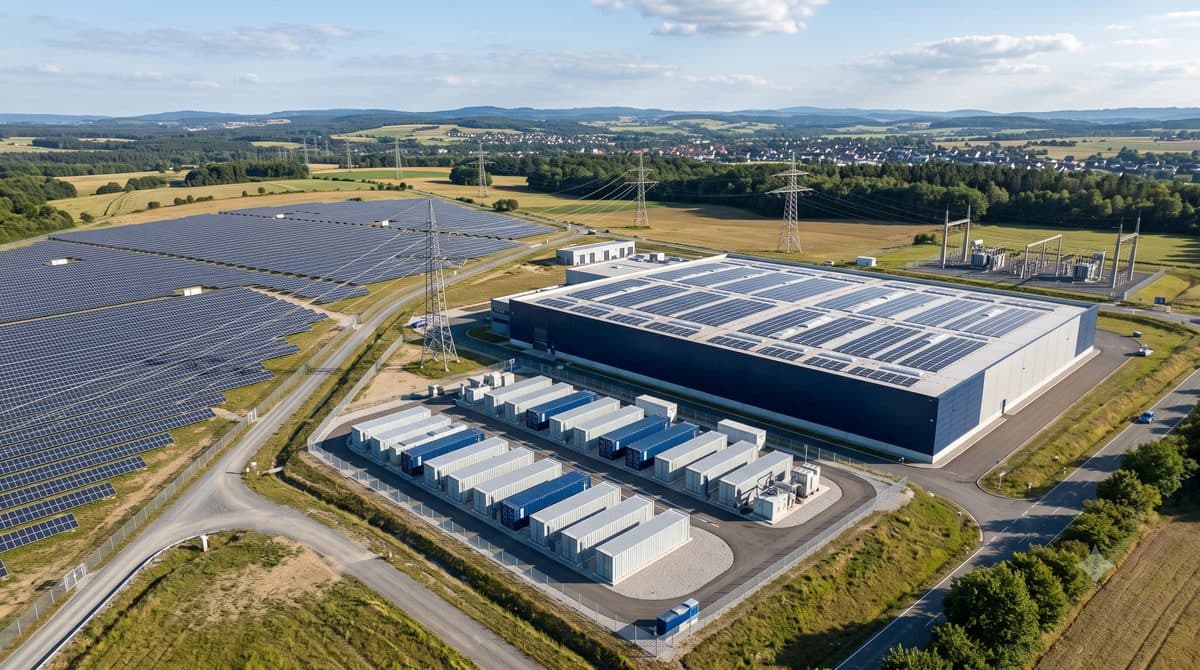
In recent weeks, the European energy agenda has once again been invigorated by news from Brussels. The latest draft of the EU Electricity Market Design Reform (EMDR) has become a document closely monitored by every player in the energy sector. This reform doesn't just change legislation; it fundamentally reshapes the core dynamics of energy generation, consumption, and storage. For N2N, a technology company aiming to expand from Turkey into the European market, this reform serves as a vision document. We understand that every new system, every new project we encounter in the field, is a part of this larger picture.
The primary goal of this reform is to accelerate renewable energy integration, protect consumers from excessive price fluctuations, and strengthen Europe's energy independence. However, while these goals may seem simple on paper, they entail complex engineering and optimization requirements in the field and at the software layer. Let's take a bird's-eye view of what this reform means for different segments and N2N's role in these scenarios.
3 Key Areas of Change Introduced by the Reform
The EU Electricity Market Design Reform targets three main pillars of the energy market: consumer protection, renewable energy integration, and market flexibility. Firstly, by promoting long-term Power Purchase Agreements (PPAs), predictability for investors is increased, which accelerates new renewable energy investments. Secondly, by enhancing the value of flexibility services, new revenue models are created for storage and demand-side participation. Thirdly, mechanisms to protect consumers in crisis situations are strengthened, contributing to market stability. Although these changes are shaped at the negotiation table in Brussels, their effects directly impact every solar panel, every battery, and the electricity bill of every industrial facility in the field.
New Financial Realities for Renewable Energy Producers (Solar PV Owners)
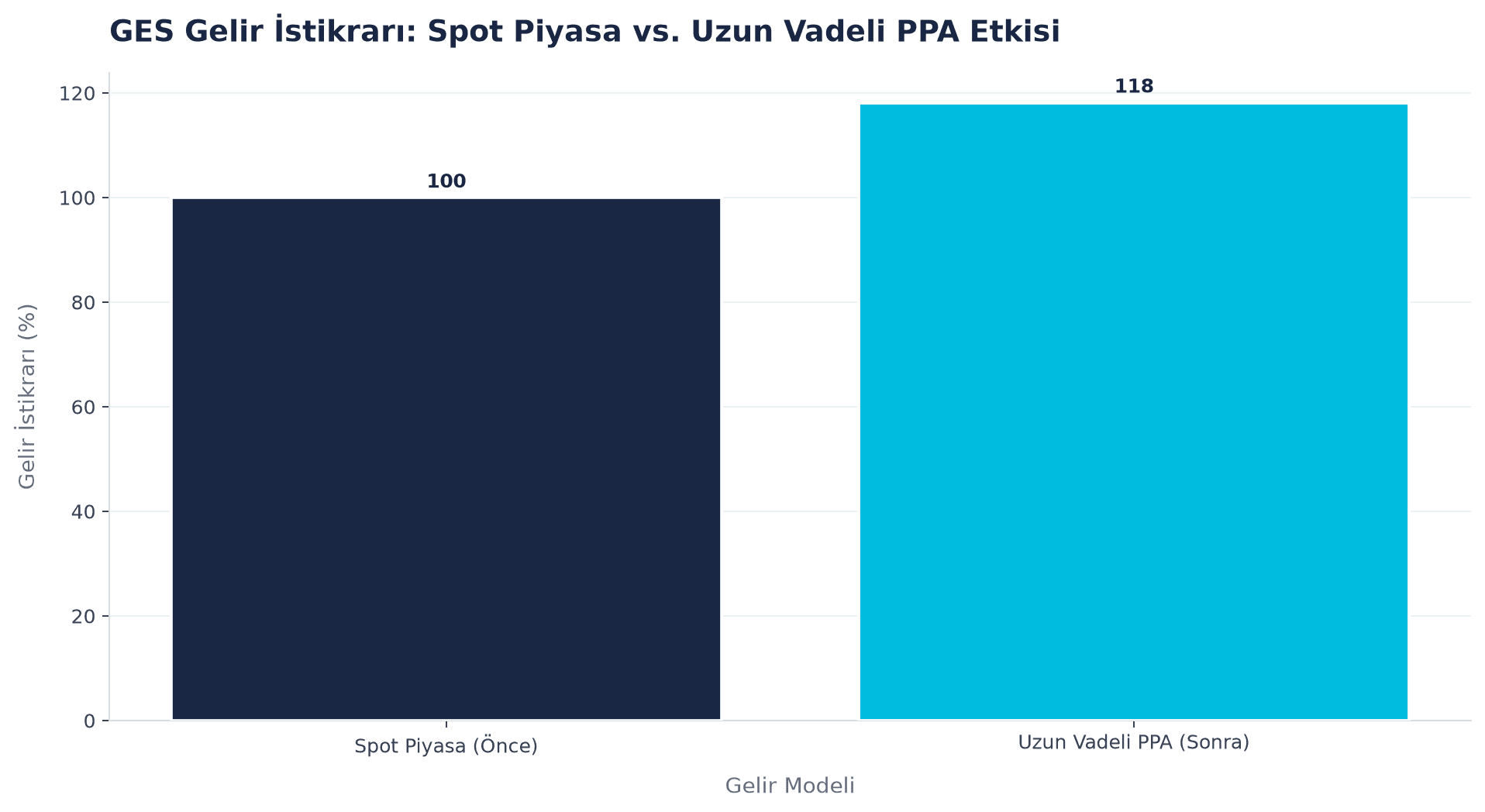
For solar PV owners, the most significant impact of the reform is the potential shift in revenue models. Traditionally reliant on the spot market, producers now have the opportunity to achieve a more stable revenue structure through long-term PPAs. This can facilitate financing, especially for large-scale solar PV projects. For example, for a typical 1 MWp solar power plant, revenue stability could be expected to increase by 15-20% with a 10-year PPA compared to spot market revenues. This stability can reduce investors' risk perception, creating more favorable financing conditions.
However, this situation brings not only an advantage but also new management complexity. PPA negotiation, management, and compliance with contract terms require detailed energy forecasting and optimization. Furthermore, changes in grid connection rules and curtailment are also issues that solar PV owners need to consider. N2N's Photon and Pulsar products offer solutions ranging from PPA management to production forecasting and grid integration, helping solar PV owners adapt to these new financial realities. The accuracy of production forecasts, in particular, becomes critical to avoid deviation penalties in PPAs.
C&I Facilities (Self-Consumption Focused Businesses) and Their Role in Flexibility Markets
Commercial and industrial (C&I) facilities have the potential to seize some of the biggest opportunities offered by this reform. Previously seen only as consumers, these facilities can now become active market players. Demand-side response and local flexibility markets enable C&I facilities to earn revenue by optimizing their energy consumption or by using their own storage systems to support the grid. For instance, with intelligent energy management (DERMS) systems, C&I facilities can achieve 7-12% annual electricity cost savings through peak load reduction and flexibility services. This is not just a saving but also a new revenue stream.
This transformation increases the importance of N2N's products, such as Pulsar Edge. Pulsar Edge maximizes this flexibility potential by monitoring facilities' energy consumption in real-time, combining it with production forecasts, and dynamically managing their loads according to market signals. Optimizing a factory's energy consumption in 15-minute periods without disrupting its production schedule requires significant engineering and software power. This reform will significantly contribute to the overall flexibility of the energy system by transforming the C&I segment from a passive consumer to an active "prosumer."
Dual Opportunities for Storage Investors and Operators
Energy storage systems (BESS) are one of the key elements of the reform. Storage is critical for the EU to achieve its renewable energy targets and ensure grid stability. The reform facilitates the participation of storage systems in the market and removes barriers such as "double charging," creating an attractive environment for investors. This allows storage systems to benefit from different revenue streams, such as ancillary services (frequency regulation, voltage support) and capacity markets, in addition to buying and selling energy in the wholesale market. Across the EU, storage projects are expected to show annual growth of 10-15 GW until 2030 [cite: SolarPower Europe 2025 Report].
This revenue stacking strategy increases profitability for storage investors while also bringing complexity. Optimizing a storage facility across different markets simultaneously requires advanced algorithms and real-time data analysis. N2N's Quasar software is designed for utility-scale storage systems to manage these multiple revenue streams, interpret market signals, and make autonomous charge/discharge decisions. The comparison below clearly shows how software like Quasar can increase a storage facility's annual revenue compared to manual management. (This section will reference a graph, which could show revenue increase for a hypothetical scenario.) This is not just software; it also acts as an orchestra conductor.
Engineering and Software Perspective: The Rise of Autonomous Energy Management
The EU Electricity Market Design Reform multiplies the complexity of the energy system, pushing the need for engineering and software solutions to its peak. Increasing renewable energy penetration, the proliferation of distributed energy resources (DERs), and instantaneous changes in market dynamics have made manual operations unmanageable. Autonomous energy management systems (EMS/DERMS) are becoming an indispensable tool for managing this complexity, increasing efficiency, and reducing costs. In complex hybrid energy systems, autonomous energy management software (EMS/DERMS) can increase operational efficiency by 20-30% and reduce human error by up to 50% compared to manual operation.
These systems process thousands of data points in real-time, make production and consumption forecasts, consider grid constraints, and automatically make the most optimal operational decisions based on market prices. N2N's Photon (residential), Pulsar (C&I), and Quasar (utility) products, developed under the E-Hub algorithm framework, are designed to provide this autonomous management. Our Edge devices (Photon Hub, Pulsar Edge, Quasar Edge) collect data in the field and make instantaneous decisions, while our cloud-based platforms provide big data analysis and long-term optimization. Elements introduced by the reform, such as hourly netting, local flexibility markets, and active demand-side participation, will further increase the value of such smart software every day.
A Look at Europe from a Turkish Perspective: The Gateway to Southeast Europe
Turkey's energy market is undergoing a similar transformation process to the reforms in the EU. Especially regulations in renewable energy and storage are progressing in parallel with developments in the EU. This provides a significant advantage for Turkish technology companies like N2N to enter the European market. Our field experience and products developed in Turkey have the potential to solve similar challenges in the EU.
In our European market entry strategy, Southeast European countries, particularly markets like Bulgaria, stand out as a first step. These markets, being subject to EU regulations and relatively less competitive, offer an ideal testing and growth area for solutions coming from Turkey. As N2N, with our strong references in Turkey, we aim to contribute to the European energy transition by leveraging the new opportunities brought by this reform. This is not just business expansion but also part of our vision to bring Turkey's strength in energy software to Europe.
In the coming period, with the full implementation of the EU Electricity Market Design Reform, changes in the energy sector will accelerate further. During this period, energy companies, investors, and consumers will have to understand and adapt to these new market dynamics. As N2N, with our motto "Intelligent Energy. At Your Service.", we will continue to guide our stakeholders through this complex process and shape the energy future. In this reform period, every player in the energy sector needs to ask themselves these three questions: How suitable is my current strategy for these new market conditions? How can I maximize my flexibility potential? And most importantly, how can I use technology as an advantage in this transformation?
We describe how we address this on the product side here: Hourly Netting & Dynamic Tariff.