Smart EV Charging: Moving Beyond Plug-and-Play
As EV adoption accelerates, the real challenge is not building more chargers. It is making every charger intelligent enough to interact with solar, storage and the grid.
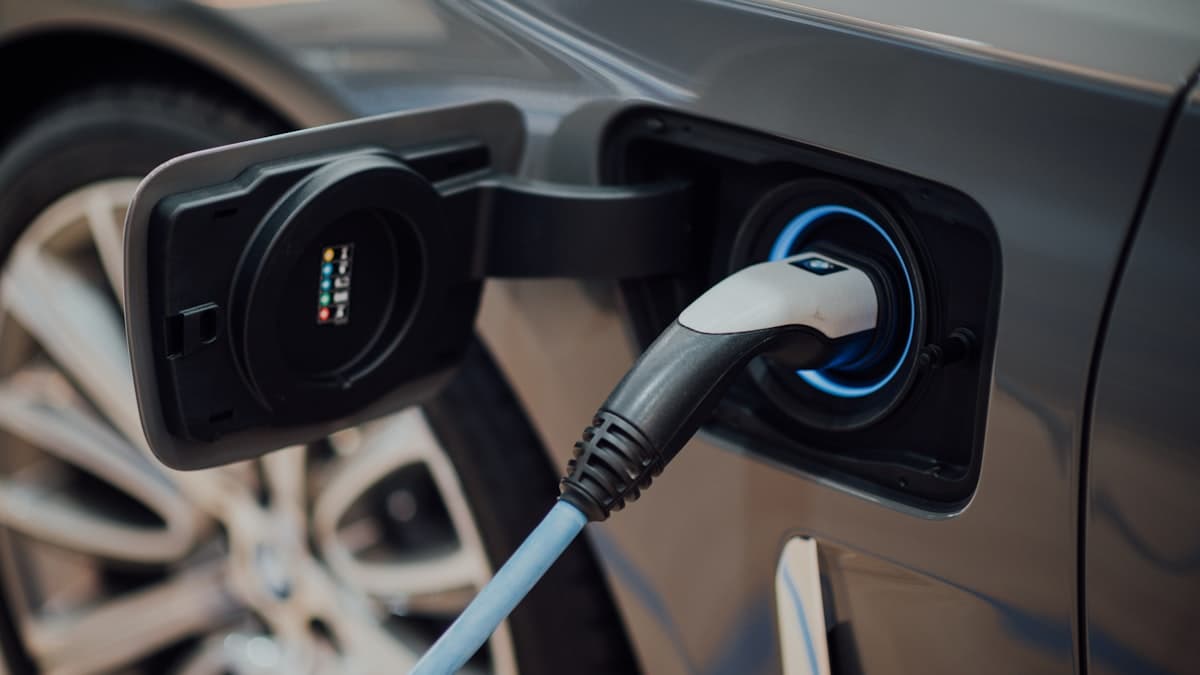
The global EV fleet is growing fast. By the end of 2025, over 30 million electric vehicles were on the road worldwide. Governments are tightening emission regulations. Automakers are phasing out combustion engines. The question is no longer whether EVs will dominate, but how quickly.
With this growth comes a less visible but equally important challenge: charging infrastructure. And not just the quantity of chargers, but their intelligence.
The problem with dumb charging
Most EV chargers today operate on a simple principle: plug in, charge at maximum power until full. This approach worked when EVs were rare. At scale, it creates serious problems.
A neighborhood where ten households charge their EVs at 7 PM creates a massive demand spike that local transformers were never designed for. A commercial building with 20 EV charging points can see its peak demand double, resulting in punishing demand charges from the utility.
The grid impact is significant. Unmanaged EV charging at scale could require billions in grid reinforcement investments. But most of that investment becomes unnecessary when charging is managed intelligently.
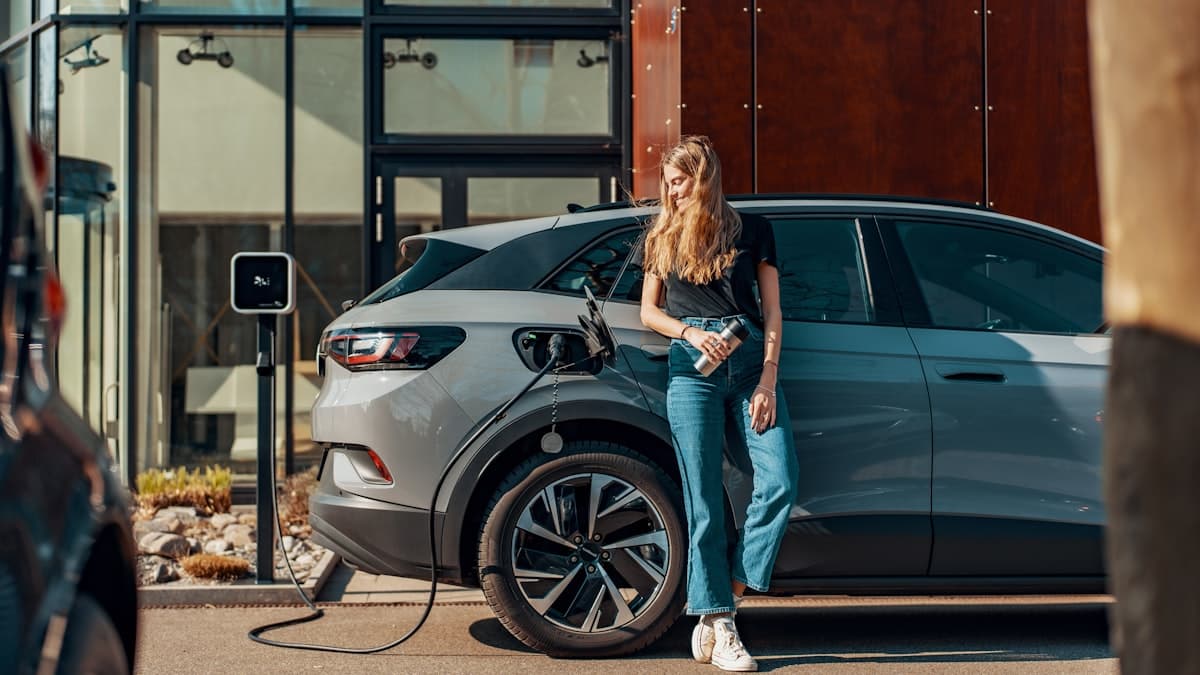
What makes a charger smart
A truly smart EV charger does more than accept remote start/stop commands. It understands the energy context it operates in and adjusts its behavior accordingly.
Solar-aware charging shifts consumption to hours of peak solar generation, maximizing self-consumption and reducing grid dependence. If a home generates 5 kW of solar surplus and the EV charger supports dynamic power adjustment, it can charge at exactly 5 kW from free solar energy instead of pulling from the grid.
Tariff-aware charging optimizes for cost. In markets with time-of-use pricing, the difference between charging at peak and off-peak hours can reach 3-4x. Smart scheduling ensures the vehicle is ready when needed while charging at the lowest possible cost.
Grid-interactive charging goes further. Vehicle-to-grid (V2G) capable chargers can feed energy back during peak demand periods, turning every parked EV into a distributed battery. Even without V2G, simple load reduction during grid stress events provides measurable value.
The integration imperative
A smart charger in isolation captures only a fraction of its potential value. The real gains come from integration with the broader energy system.
When the EV charger communicates with the home battery, they can coordinate. The battery handles the evening peak while the charger waits for off-peak hours. When both connect to the solar system, every kilowatt of solar generation is used optimally before any grid import.
At commercial scale, fleet charging coordination across dozens of charging points requires real-time optimization. Dynamic load balancing ensures total site demand stays within grid connection limits while maximizing the number of vehicles charged.
Standards matter
Interoperability is key to scaling smart charging. The OCPP 2.0 protocol provides a standardized communication layer between chargers and management systems. ISO 15118 enables plug-and-charge authentication and bidirectional power flow.
Platforms built on these open standards avoid vendor lock-in and ensure that today's infrastructure investments remain compatible with tomorrow's capabilities.
The road ahead
EV charging is evolving from a standalone product to an integrated energy service. The charger is becoming one node in a broader energy ecosystem that includes generation, storage and consumption management.
Companies that treat EV charging as a connectivity and intelligence problem rather than a hardware problem will lead this next phase of the energy transition.
We describe how we address this on the product side here: EV Charging Station Management.