The Rise of Distributed Energy Resources and Why Software Is the Missing Piece
Solar panels, batteries and EV chargers are being installed at record pace. But without intelligent software to coordinate them, most of that potential goes untapped.
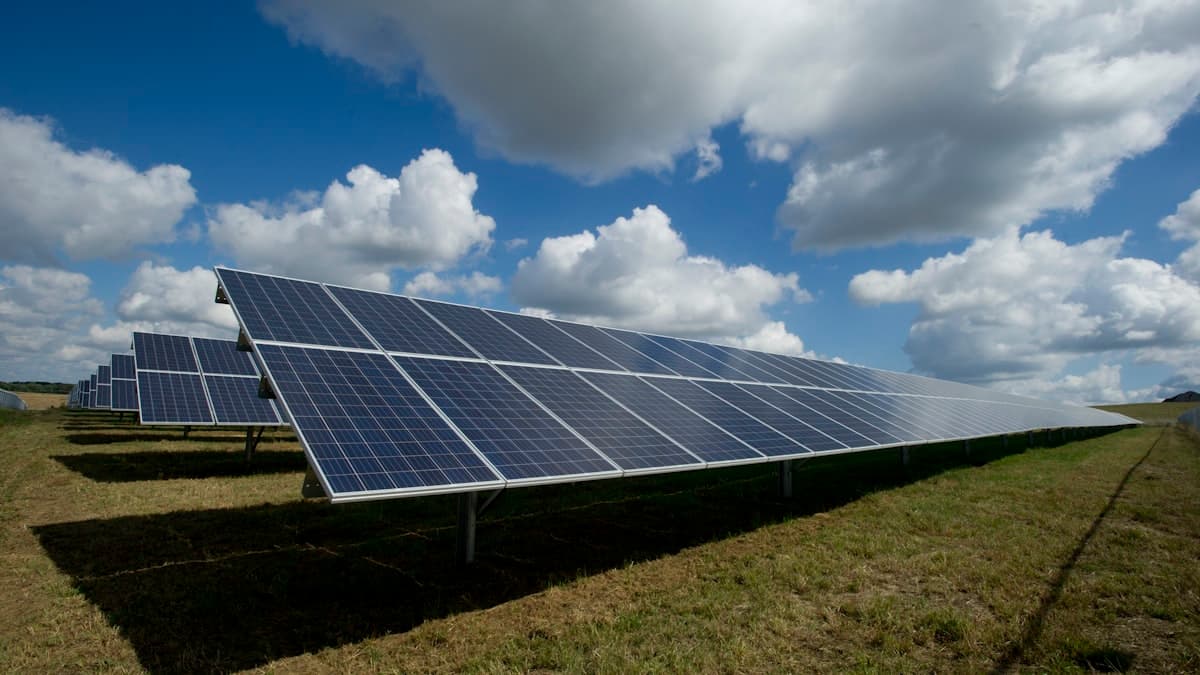
Solar capacity additions broke records again in 2025. Battery storage deployments doubled year-over-year across Europe. EV sales crossed the 20% market share threshold in multiple countries. The hardware revolution in energy is well underway.
Yet a critical gap remains. Most of these assets operate in silos. A rooftop solar system generates power without knowing what the battery is doing. The EV charger draws from the grid at peak hours while the battery sits idle. The result is wasted potential, higher costs and unnecessary grid strain.
This is the coordination problem. And it can only be solved with software.
The coordination challenge
A typical home with solar panels, a battery and an EV charger has three independent energy devices that each follow their own logic. The solar inverter maximizes generation. The battery follows a basic charge/discharge schedule. The EV charger pulls power whenever the car is plugged in.
Without a central intelligence layer, these devices conflict with each other. The battery might charge from the grid while excess solar is being exported. The EV charger might draw 7 kW from the grid at the most expensive hour of the day. Small inefficiencies compound into significant losses over months and years.
At commercial and utility scale, the problem multiplies. A facility with 500 kW of solar, 200 kWh of storage and a fleet of EV chargers faces thousands of control decisions every hour. Manual management is impossible. Basic automation is insufficient.
What intelligent energy management changes
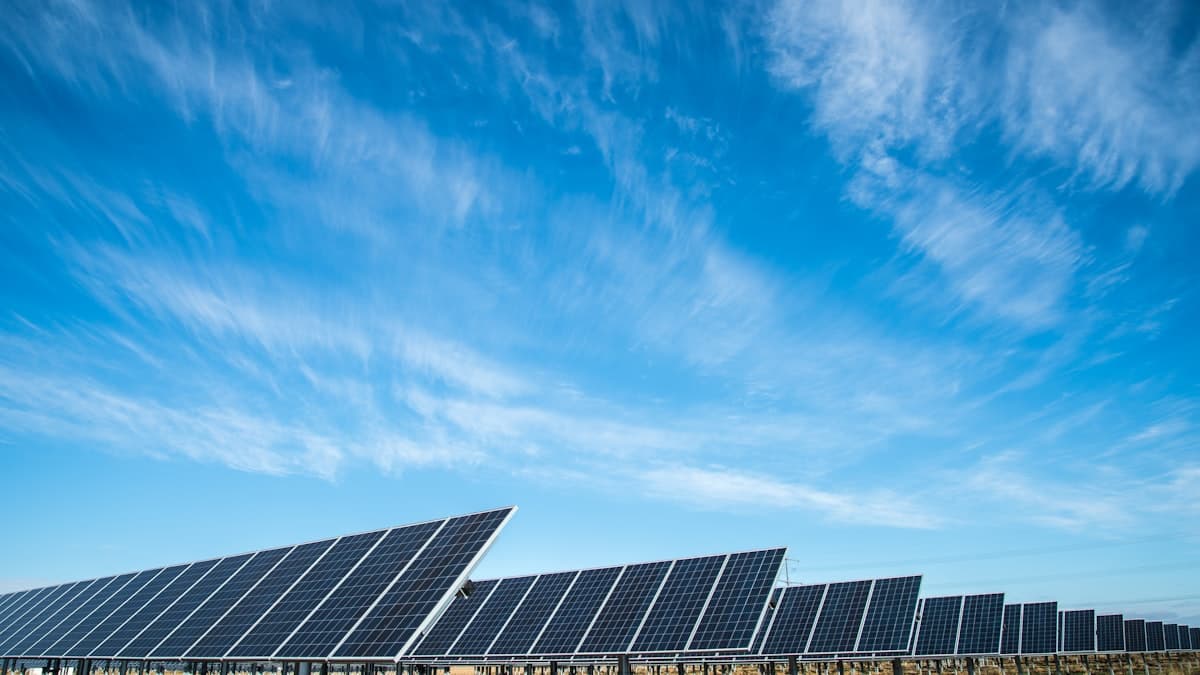
An intelligent energy management platform acts as the brain across all energy assets. It ingests real-time data from every device, forecasts generation and consumption patterns, and makes optimized control decisions every few seconds.
The impact is measurable. Homes using coordinated energy management systems see 30-40% higher solar self-consumption compared to unmanaged setups. Commercial facilities reduce peak demand charges by up to 25% through intelligent load shifting and battery dispatch.
Beyond individual sites, aggregated fleets of managed assets can participate in grid services like frequency regulation and demand response. This creates new revenue streams while supporting grid stability.
The role of edge computing
Cloud-only architectures introduce latency and single points of failure. Critical energy control decisions need to happen locally, in milliseconds. Edge computing gateways deployed at each site provide local intelligence while maintaining cloud connectivity for fleet-level analytics and optimization.
This hybrid architecture ensures that individual sites remain operational even during network outages, while the cloud layer handles cross-site optimization and long-term forecasting.
Looking ahead
The next five years will see distributed energy resources outnumber traditional power plants in many markets. The winners in this transition will not be the companies with the most hardware, but those with the best software to orchestrate it.
Energy management is no longer optional. It is the infrastructure layer that makes the clean energy transition work at scale.
We describe how we address this on the product side here: Distributed Energy Resource Management.